Practical Ways to Improve Your Car’s Fuel Efficiency (With Real Savings)
Drive Smarter, Spend Less
With fuel prices continuing to impact household budgets, improving your car’s fuel efficiency is one of the most effective ways to reduce running costs.
The good news is that meaningful savings don’t require a new vehicle - small changes to driving habits and regular maintenance can cut fuel use by 10–20% or more in many cases.
Below are proven ways to improve fuel economy, backed by real data, many of which your local Europit autocentre can help with.
Most of the data is based on savings to be made driving a Petrol or Diesel vehicle, however these will equally apply if you drive an electric or hybrid vehicle.
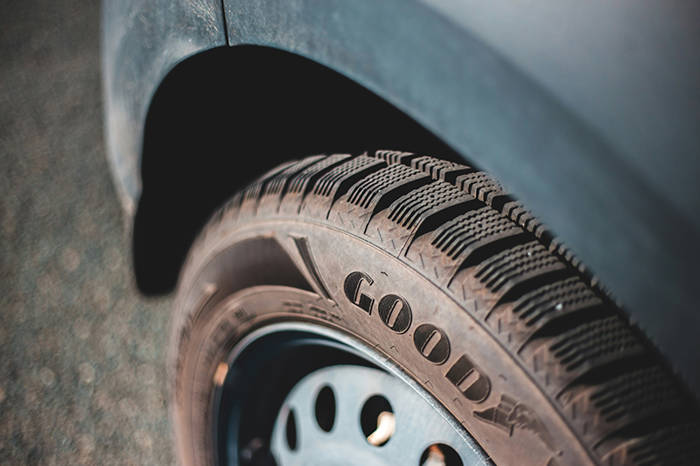
Keep Your Tyres Correctly Inflated
Incorrect tyre pressures are one of the biggest and easiest to fix causes of poor fuel economy.
The Facts:
- A 10% drop in tyre pressure can increase fuel consumption by around 2–3%
- Tyres typically lose around 2 PSI per month naturally, even without a puncture
Real World Impact:
For a driver spending just £150 a month on fuel, under inflated tyres could waste £36–£54 annually - simply due to low pressures. Regular pressure checks can realistically save £50+ per year in fuel alone.
What Steps You Can Take:
- Check your tyre pressure at least once a month (fortnightly is optimal) and before long journeys.
- Inflate your tyres to the car manufacturer's recommended pressure
- Investigate any significant drop in pressure.
If you have any concerns about tyre pressures, drop in to your local Europit branch and we will be happy to advise.
Reduce Excess Weight and Drag
Extra weight and drag force your engine to work harder.
The Facts:
- Removing 45kg of unnecessary weight can improve fuel economy by around 2%
- Roof racks and boxes can increase fuel use by up to 10–15% at motorway speeds
The Real World Impact:
Even removing unused roof racks can save £100+ per year for frequent motorway drivers.
The average car fuel tank will carry around 45kg of fuel when full, so starting a journey with a half full tank can improve fuel economy by £20+ per year
What Should you do:
- Remove roof boxes and cycle carriers when not in use
- Empty the boot of heavy items that are not required for your journey
- Consider whether you need a full tank of fuel when you fill up

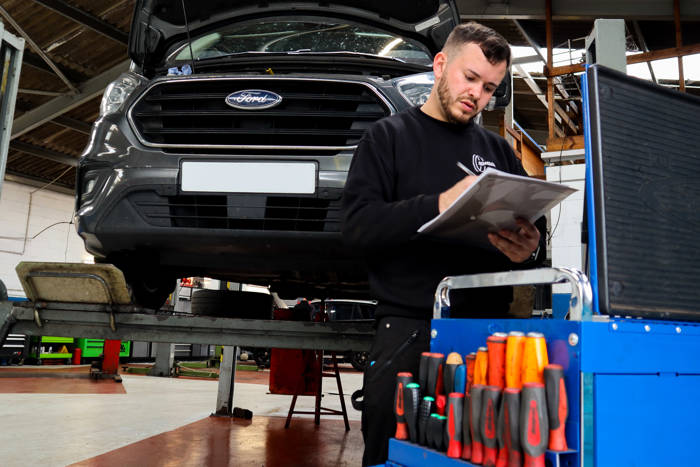
Service Your Vehicle Regularly
A poorly maintained engine uses more fuel than necessary.
The Facts:
- A clogged air filter or worn spark plugs can reduce fuel economy by up to 10%
- Regular servicing helps maintain manufacturer designed efficiency levels
Real World Impact:
Servicing often pays for itself through improved efficiency.
What Should You Do
- Don't leave a regular service until the MOT is due
- Make sure key service items that affect MPG are covered:
- Air filters
- Spark plugs
- Engine oil quality
- Fuel system condition
Check Wheel Alignment
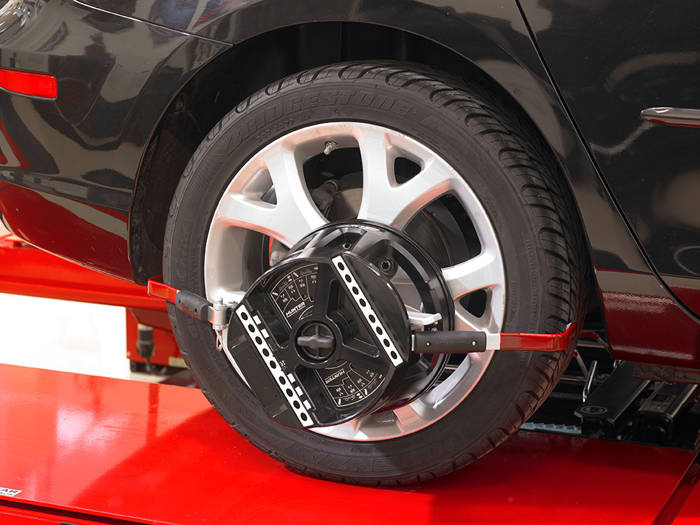
Misaligned wheels cause tyre drag and uneven wear, as well as being dangerous to drive.
Correct alignment:
• Reduces rolling resistance
• Extends tyre life
• Improves steering and fuel economy
The Facts:
Poor wheel alignment can increase fuel consumption by 2–10%, depending on severity
The Real World Impact:
Wheel Alignment for most vehicles is significantly less than £100, with savings of £100+ per year in fuel economy and extended tyre life.
What Should You Do:
- Take note of MOT advisories such as uneven tyre wear and excessive play in the steering
- Look out for tyre wear on the inside our outside of tyres
- Be aware of your vehicle pulling to one side of the road
If you have any concerns about your wheel allignment, drop in to your local Europit branch and we will be happy to advise.
Use the Correct Engine Oil
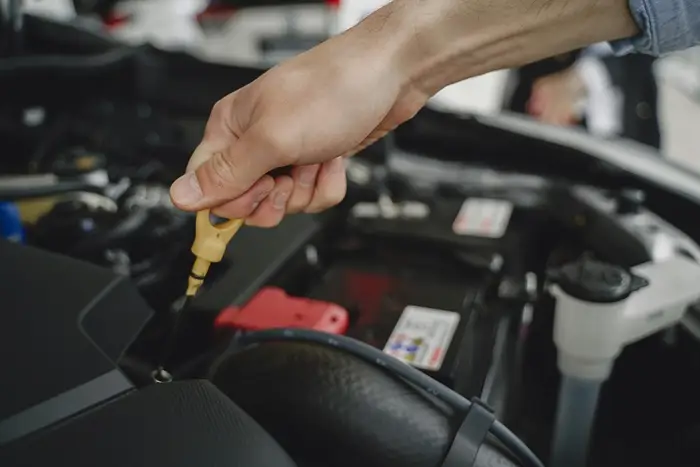
Using the wrong oil increases internal engine friction. This matters most for frequent short journeys and cold starts.
The Facts:
Manufacturer recommended low viscosity oils can improve fuel economy by 1–2%
The Real World Impact:
Spending a few pounds more on a the right oil can save £100+ per year
What Should You Do
Use the car manufacturers recommended oil
Choose Fuel Efficient Tyres
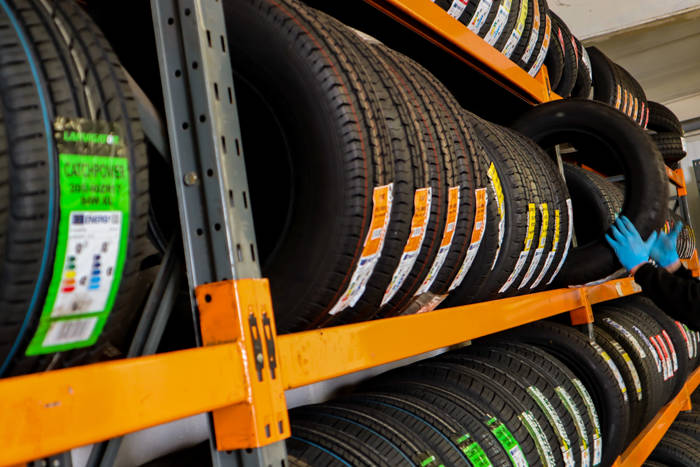
Not all tyres are equal which is why they have labels with ratings on them. The ratings provide you with important information about Fuel Efficiency, Wet Grip and Exterior Noise Emissions.
The Facts:
- Switching to low rolling resistance tyres can improve fuel economy by up to 4%
- On an average annual fuel bill, that’s a saving of £70+ per year
The Real World Impact:
Buying cheap tyres doesn't always save money in the long run. In addition to the additional cost of fuel, lower quality tyres will need to be replaced sooner
What Should You Do:
Include the Fuel Efficiency rating of tyres when you are deciding which to buy. A is the most efficient and G the least, with the difference between the two being up to 7.5%
Deciding which tyre to choose can be difficult when you have ratings to compare and balance against the cost of the tyre, so don't be afraid to ask one of our experts at Europit for advice.
Use Air Conditioning Wisely
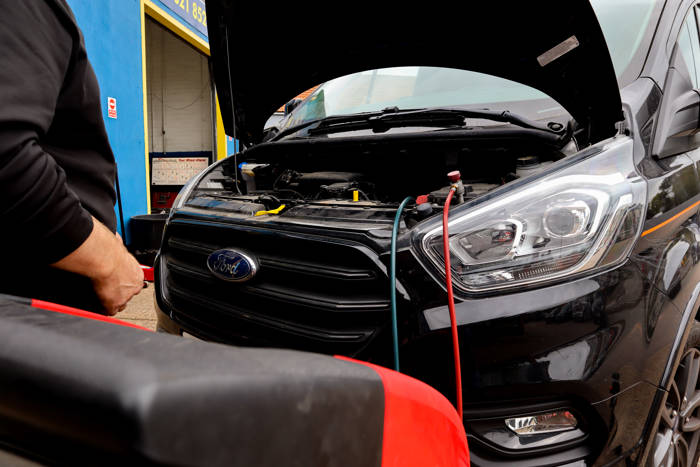
Air conditioning increases engine load.
The Facts:
- At low speeds, air conditioning can increase fuel use by up to 10%
Real World Impact:
- At higher speeds, open windows increase drag and may use more fuel than AC
What Should You Do:
Using AC sensibly reduces unnecessary fuel drain, so rather than leaving it on all the time, only use it when needed.
Avoid Idling
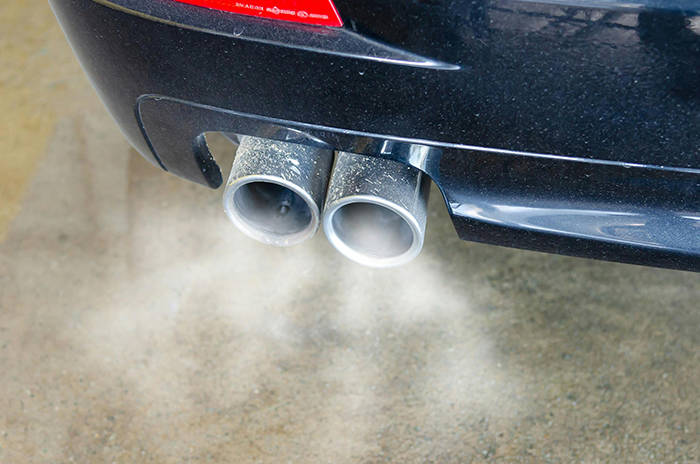
Idling burns fuel while going nowhere.
The Facts:
A typical car uses 0.6–1.5 litres of fuel per hour while idling (at £1.60 per litre that is roughly £1 to £2.40 per hour)
Real World Impact:
Turning your engine off rather than idling just 10 minutes per day could save you anywhere between £60 and £150. Note that if prices increase that cost will increase.
What You Should Do:
- Modern engines do not need warming up — driving gently is more efficient.
- Scrape Ice off rather than waiting for the vehicle to warm up
- If you are parked up, switch the engine off
Plan Your Journeys
Cold engines are inefficient, it is best that they warm up by driving them gently for the first few minutes (which is better than idling)
The Facts:
Short trips (under 2 miles) can use up to 60% more fuel per mile than longer journeys
Real World Impact:
Sitting in traffic is not only wasting your time, it also wastes fuel.
What Should You Do:
- Try to combining trips
- Choose routes and times to avoid congestion

Drive Smoothly (ECO Driving)
How you drive has a huge impact on fuel efficiency.
The Facts:
- Drivers adopting eco driving techniques save an average of 10% on fuel
- Some drivers achieve up to 30–33% savings with consistent habits
Real World Impact:
A driver can save hundreds of pounds every year on fuel by adopting an ECO driving style
What You Should Do:
Adopt Fuel saving habits such as:
- Gentle acceleration
- Anticipating traffic to reduce braking
- Maintaining steady speeds
- Avoiding unnecessary high revs by choosing a higher Gear
Smooth driving benefits fuel efficiency every single journey as well as there being less wear and tear on the vehicle.

Small Changes Can Really Add Up
Individually, these improvements might save a few percent — but combined, drivers can realistically reduce fuel consumption by 10–20%, saving hundreds of pounds per year while reducing emissions.
At Europit, we help drivers improve fuel efficiency through:
- Tyre pressure checks
- Wheel alignment
- Vehicle servicing & maintenance
- Expert tyre advice
If you’re unsure where fuel efficiency could be improved, our team is happy to help.