Can Flood Water Damage Your Car?
A Shallow Puddle or a Serious Hazard?
Heavy rain, high tides and flooding can make driving conditions rather hazardous, especially in coastal areas like Clacton or when there's a high tide in West Mersea.
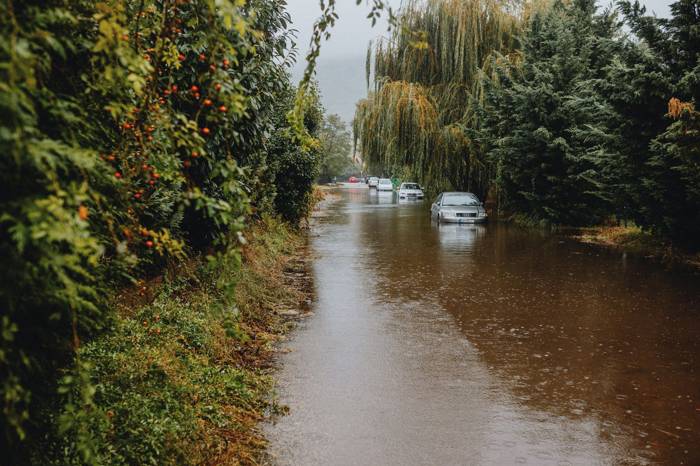
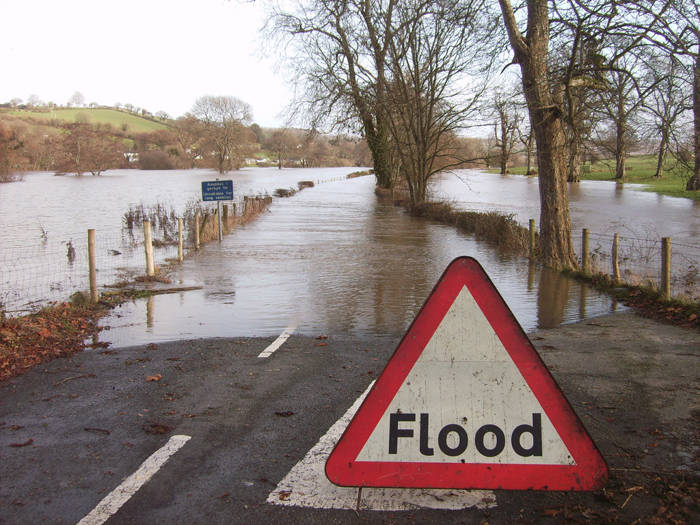
Roads can quickly become covered in standing water, while potholes, debris and other hazards may be hidden beneath the surface. If possible, you should avoid driving through flood water altogether and if you're unsure how deep the water is, try to find an alternative route.
So why is driving through flooded roads so dangerous?
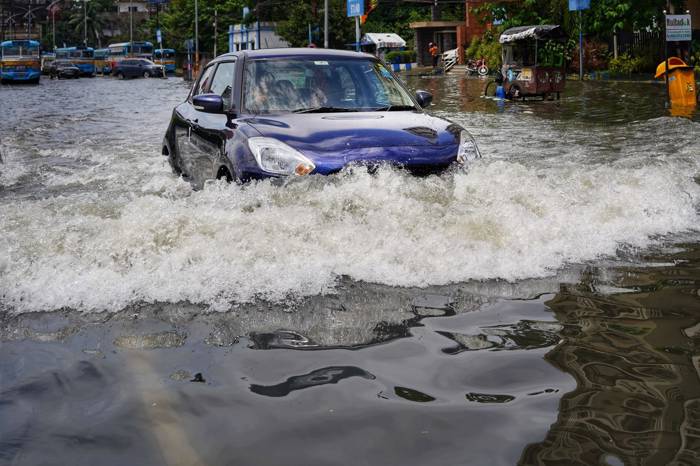
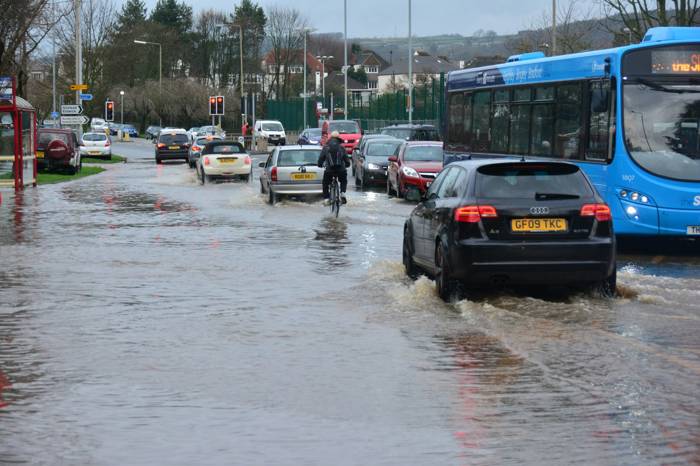
Driving through flooded roads can cause serious damage to your vehicle and increase the risk of losing control. What may look like a shallow puddle can often hide deeper water, road damage or debris that could put both you and your vehicle at risk.
From Aquaplaning to Engine Damage: The Dangers of Flooded Roads
Aquaplaning and loss of grip: Standing water can reduce the contact between your tyres and the road, increasing the risk of aquaplaning. This is when your tyres lose contact with the road surface, making steering and braking much less effective.
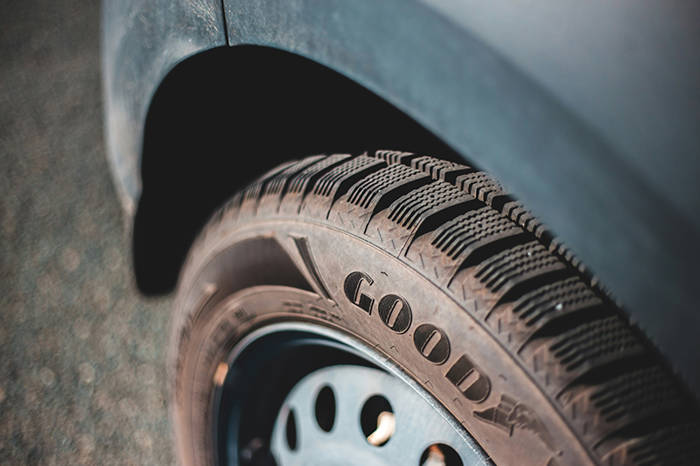
Worn or incorrectly inflated tyres can make driving in wet conditions even more hazardous. Checking your tyres regularly is therefore particularly important during periods of heavy rain.
Reduced braking performance: Water can temporarily reduce the effectiveness of your brakes. Wet roads also increase stopping distances, so reduce your speed and leave a larger gap between your vehicle and the traffic ahead.
Potential engine damage: Driving through deep flood water can allow water to enter your vehicle's engine through the air intake. This can cause serious and expensive damage. Water can also affect electrical components and other parts of your vehicle.
If You Have to Drive Through Flood Water
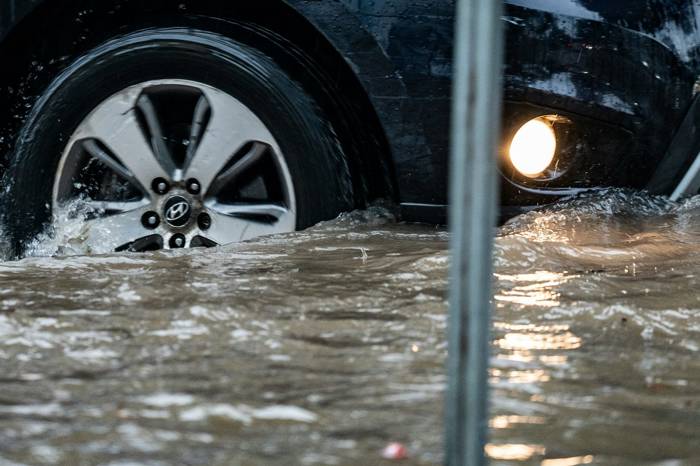
If you unexpectedly encounter standing water and there is no safe alternative, assess the situation carefully before proceeding. Never attempt to drive through fast-moving water or water of unknown depth.
If you believe the water is shallow enough to cross, drive slowly and steadily, avoiding sudden acceleration, braking or changes in direction.
Driving too quickly can create a bow wave that splashes pedestrians, cyclists and other vehicles.
Remember, there is no completely risk-free way to drive through flood water. If you're unsure, turn around and find another route.
What to Do After Driving Through Flood Water
Once you're safely through the water, gently test your brakes at low speed. Lightly applying the brakes can help clear excess water and confirm they are working correctly.
Check for Signs of Vehicle Damage
Pay special attention to any unusual changes in braking performance, steering response, engine noises, dashboard warning lights or electrical systems. If you've driven through particularly deep water, consider having your vehicle checked by a qualified technician, even if everything appears to be working normally.
Check Your Tyres Before Driving in Wet Weather
Your tyres are your vehicle's only contact with the road, making their condition particularly important in wet weather. Before setting off, ensure your tyres have sufficient tread depth, are correctly inflated, show no signs of cuts, cracks or bulges, and are suitable for your vehicle.
Taking a few moments to carry out these checks can help improve grip and reduce the risk of aquaplaning in wet conditions.
Tyre Tread and Wet Weather Safety
The legal minimum tyre tread depth for cars in the UK is 1.6mm across the central three-quarters of the tyre and around the entire circumference. However, replacing tyres before they reach the legal limit can provide additional peace of mind, particularly when driving in wet conditions.
Good tyre tread helps disperse water and maintain contact with the road, helping to reduce the risk of aquaplaning.
Driving Safely in Heavy Rain
Flood water isn't the only hazard when driving in heavy rain. Surface water, spray from other vehicles and reduced visibility can all make driving more difficult.
Reduce your speed, increase your following distance and make sure your tyres, lights and windscreen wipers are in good condition before setting off.
If conditions are particularly severe, consider whether your journey is necessary. Taking a different route or delaying your journey may be the safest option.
Your Local Experts in Tyre Safety
Here at Europit, we can help make sure your vehicle is ready for wet weather and changing road conditions. From tyre checks and replacements to servicing, MOTs and vehicle maintenance, our technicians can help keep you and your vehicle safe on the road.
Regular tyre inspections can help identify signs of wear before they become a safety concern, while ensuring your vehicle has the grip and stability needed for driving in wet conditions. Whether you're preparing for the changing seasons or simply want peace of mind before your next journey, our team is here to help.
Concerned about your tyres? Visit your nearest Europit branch for professional advice and a tyre check. We'll help ensure your tyres are safe, roadworthy and ready for whatever the British weather has in store.