Clutch Problems: What to Look Out For
Recognising the Early Signs of Clutch Wear
Most drivers use their clutch hundreds of times without giving it much thought. But if you've noticed difficulty changing gears, a burning smell or your car struggling to accelerate, your clutch could be showing signs of wear.
Your clutch plays an essential role in keeping your vehicle running smoothly. Recognising the warning signs early could help prevent more expensive repairs or an unexpected breakdown.
In this guide, Europit explains what a clutch does, the common signs of clutch problems and when to seek professional advice.

What Does a Car Clutch Actually Do?
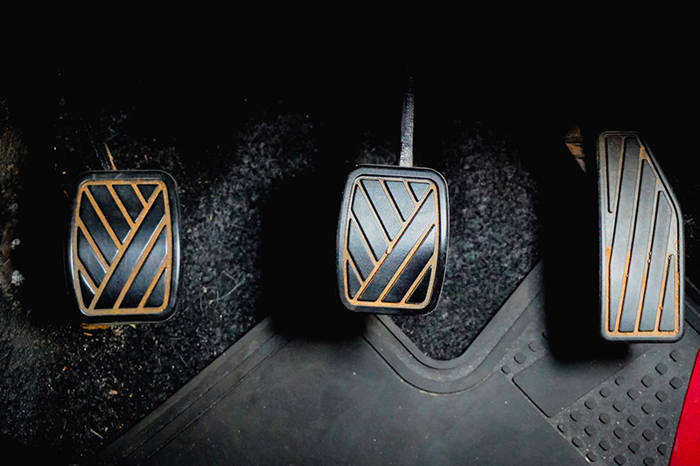
In a manual car, the clutch connects and disconnects the engine from the gearbox, allowing you to change gears smoothly.
When you press the clutch pedal, it temporarily interrupts the transfer of power from the engine to the gearbox. Releasing the pedal reconnects them, allowing power to reach the wheels.
Over time, the friction involved in this process causes wear, which can eventually lead to clutch problems. Keeping your clutch in good condition is essential for smooth gear changes, reliable performance and preventing unnecessary damage to your vehicle's transmission.
6 Warning Signs Your Clutch May Need Repairing
Clutch problems often develop gradually, so knowing what to look out for can help you identify issues before they become more serious.
1. Your Clutch Is Slipping: If your engine revs increase without a corresponding increase in speed, particularly when accelerating or driving uphill, your clutch could be slipping.
2. Difficulty Changing Gears: Struggling to select gears, particularly first or reverse, can indicate a clutch problem. You might also notice grinding noises when changing gear.
3. A Burning Smell: A noticeable burning smell, especially after driving in heavy traffic or on hills, could indicate excessive friction and an overheating clutch.
4. Changes in Clutch Pedal Feel: A clutch pedal that feels unusually soft, stiff or spongy, or doesn't return to its normal position, could indicate a problem with the clutch mechanism or hydraulic system.
5. A Higher or Lower Biting Point: If your clutch starts engaging at a noticeably different pedal position, it may be a sign of wear or another issue within the clutch system.
6. Juddering or Unusual Noises: Shaking when pulling away, or rattling and squealing noises when pressing the clutch, can indicate worn or damaged clutch components.
How Long Should a Car Clutch Last?
There's not really a fixed lifespan for a clutch. Some last well beyond 100,000 miles, while others require replacement much sooner.
Clutch life depends on driving habits, vehicle type and road conditions. Frequent stop-start journeys, riding the clutch and holding your car on hills using the clutch can all accelerate wear.
Some Tips to Help Your Clutch Last Longer
• Avoid resting your foot on the clutch pedal while driving.
• Use the handbrake rather than the clutch to hold your car on hills.
• Change gears smoothly and fully depress the clutch pedal.
• Select neutral during longer stops.
• Get unusual noises or changes in clutch performance checked promptly
Can You Drive With a Failing Clutch?
Although your car may still be driveable during the early stages of clutch wear, ignoring the problem could lead to further damage or a breakdown.
A slipping clutch can eventually struggle to transfer power to the wheels, while difficulty changing gears can make driving unsafe.
If you notice any warning signs, a professional inspection is the best course of action. You can pop into your nearest branch of Europit to have your car checked over - there's no need to call in advance or make an appointment. Not every clutch problem requires a complete replacement, and early diagnosis could help avoid unnecessary repair costs.
Concerned About Your Clutch? Contact Europit
Whether your clutch is slipping, you're struggling to change gears or you've noticed an unusual noise – please don't ignore the warning signs.
At Europit, our friendly, experienced teams help motorists across Essex and Suffolk with a wide range of vehicle maintenance and repair services. With six branches in Clacton-on-Sea, Thorpe-le-Soken, Thorrington, Heybridge, Ipswich and Bury St Edmunds, we're conveniently located to help keep your vehicle running smoothly.
Experiencing clutch problems? Contact your nearest Europit branch to discuss your symptoms and available inspection and repair options.